When people hear that Freemasons support charity, they may picture fundraising dinners, raffles or the presentation of a cheque. Those things can be part of charitable work, but they are only the visible edge of a much wider tradition.
In Freemasonry, charity is not meant to be a public relations exercise. It is a practical responsibility. It asks a man to notice when help is needed, consider what he can reasonably offer, and act with care for the dignity of the person receiving that help.
That may involve money. It may also mean giving time, sharing a practical skill, helping a community organisation, checking on someone who is unwell, or quietly supporting a family going through a difficult period.
What charity means in Freemasonry
Integrity, goodwill and charity are among the principles encouraged within Freemasonry. These ideas are closely connected. Giving is of limited value if it is done carelessly, only for recognition, or without first understanding what is actually needed.
Masonic charity has traditionally included care for members, widows and families. A Lodge is a community, and members are expected to take a genuine interest in one another.
The Lodge Almoner has a particular responsibility for maintaining contact with members and families who may need support. However, care for others does not belong to one officer alone.
Often, the most useful help is simple. It may be a phone call, a visit, transport to an appointment, a meal, assistance with a practical problem, or making sure someone has not been forgotten.
Charity also reaches beyond the Lodge. Freemasons support individuals and organisations with no Masonic connection. The purpose is not to favour our own circle, but to put the principle of service into practice within the wider community.
Charity is not measured only in money
A man does not need to be wealthy to contribute. The value of a member is not measured by the size of his donation.
Some members are able to give financially. Others give time, experience, contacts or practical effort. A few hours spent helping at an event, collecting goods, repairing something for a community organisation, serving on a charitable committee or supporting a fundraiser can be just as useful as writing a cheque.
This matters because charity can become too narrowly associated with money. Financial assistance is important, but it is not the only form of generosity. Patience, attention, reliability and practical ability are also things a person can give.
It is equally important that giving remains sensible. Freemasonry does not ask a man to neglect his own household or place himself under financial pressure. Help should be offered freely and within a person’s means and circumstances.
Working locally and nationally
In New Zealand, much Masonic charity begins locally. Lodges know their own towns and cities. Their members often have connections with schools, sports clubs, health groups, service organisations and other community bodies.
That local knowledge can help a Lodge identify a genuine need and understand the most useful way to respond.
Freemasons New Zealand also works through The Freemasons Charity, which assists local and regional projects alongside wider programmes. Its work includes community grants, scholarships, health initiatives, medical research, youth development and assistance for people experiencing need.
The national structure can strengthen a local project, but the local relationship remains important. Good charity is not simply a matter of distributing funds. It involves listening, checking that assistance is appropriate, and working with organisations that understand the people they serve.
Projects Lodge Tawhiri has supported
At Lodge Tawhiri No. 166, our recent charitable support reflects the variety of needs found across Hamilton, Waikato and the wider community.
This has included support for the Prostate Cancer Foundation New Zealand and its work involving awareness, research and assistance for men and their families.
The Lodge has also supported the Rural Support Trust, which provides practical and confidential assistance to farmers, growers and rural families. This is particularly relevant in the Waikato, where rural communities remain an important part of the character and economy of the region.
Support for the Graeme Dingle Foundation has helped youth development programmes in the Waikato. These programmes work with tamariki and rangatahi, helping them develop confidence, practical skills and stronger connections with their schools and communities.
Closer to home, Lodge Tawhiri has supported the Western Community Centre and the services it provides within Hamilton. The Lodge has also assisted local sports teams and individual athletes. Community sport often depends on volunteers, small sponsorships and practical support that may not attract much public attention but can make a real difference.
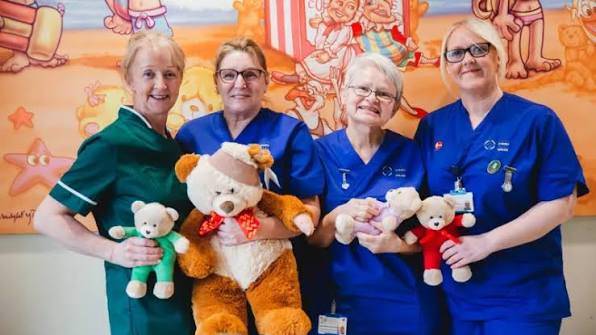
One especially sensitive project has been the Waikato Hospital Baby Box initiative. This work provides small coffins for families experiencing the loss of a baby.
There is no way to make such a loss easy. However, providing something carefully made and appropriate can help ensure that families are treated with dignity during an extremely difficult time. It is a quiet and practical form of charity, offered where care and compassion are needed most.
These projects differ greatly from one another, and that is part of the point. Community need does not fit into a single category. Sometimes help is directed towards health or research. At other times it supports young people, rural wellbeing, community services, sport or families facing grief.
More information about these projects can be found on our charity and community page.
Helping without making a spectacle
Freemasons have sometimes been so quiet about charitable work that the public has little idea it happens. There is something honourable in helping without seeking applause, but complete silence is not always useful.
Community organisations need to know that support may be available. Members of the public are also entitled to understand what Freemasonry does and how local Lodges contribute to their communities.
The challenge is to speak honestly without turning another person’s difficulty into publicity.
A sensible approach is to focus on the cause, the work and the outcome rather than praising the donors. Where personal circumstances are involved, privacy and dignity should come first.
Not every good deed needs a photograph, a social media post or a formal presentation. Some of the most important help is given quietly and is known only to the people directly involved.
A tradition that must be practised
It is easy to describe charity as a tradition of Freemasonry. The harder part is continuing to practise it in ordinary life.
A tradition survives when people carry it forward. That may happen through a significant community project, but it can also happen when one member notices that another has gone quiet, when several men give up a Saturday to help, or when a Lodge provides modest support that allows worthwhile work to continue.
Charity does not stand apart from friendship, integrity or personal development within Freemasonry. It grows from them. A man who is learning to be more attentive, responsible and useful should also become more aware of the needs of others.
For men considering Freemasonry in Hamilton, charitable service is one part of Lodge life, alongside meetings, ceremonies, education, friendship and time together in the refectory.
It is not about being seen as generous. It is about being willing to contribute and becoming someone who can be relied upon when help is needed.
Community organisations are welcome to contact Lodge Tawhiri and explain the work they are doing. While the Lodge cannot meet every request, we are always willing to listen and consider where practical assistance may be possible.
Those interested in Lodge Tawhiri, our community work or joining Freemasonry in Hamilton are also welcome to learn more through our website and make an enquiry.