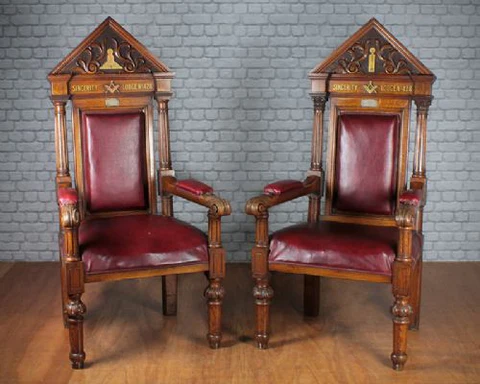
A Masonic Lodge is not usually the first place people think of when they hear the word leadership.
Many people picture leadership in public terms. A manager at work. A captain of a sports team. Someone giving speeches, making decisions, or standing at the front of the room. Those things have their place, but Freemasonry teaches a quieter kind of leadership. It is less about being seen, and more about being prepared, reliable and of service.
At Lodge Tawhiri No. 166 in Hamilton, as in Lodges across New Zealand, leadership is not treated as a title to collect. It is something learned gradually. A man watches, listens, helps, takes on small duties, then larger ones. He learns from those who have gone before him. He makes mistakes in a supportive environment. Over time, he begins to understand that leading well often starts with learning how to serve well.
That is one of the useful things about a Masonic Lodge. It gives men a structured place to practise responsibility.
Learning to be dependable
One of the first leadership lessons inside a Lodge is dependability.
A Lodge meeting depends on many small acts being done properly. Someone opens the building. Someone prepares the room. Someone checks that visitors are welcomed. Officers learn their parts. Brethren attend, support the work, help with the meal or supper, and look after one another.
None of this is dramatic, but it matters. If one person does not do his part, someone else has to carry it. Lodge life quietly teaches that reliability is not a small virtue. It is the foundation of trust.
This is a useful lesson beyond Freemasonry. Families, workplaces, churches, sports clubs and community groups all depend on people who do what they said they would do. Leadership begins there.
Preparation matters
Freemasonry places a high value on preparation. Officers do not simply turn up and hope for the best. They learn their work, understand their responsibilities, and try to carry them out with care.
This is not about perfection. Every Mason who has taken part in Lodge work knows what it feels like to forget a word, lose his place, or wish he had prepared better. The point is not to embarrass a man. The point is to encourage steady improvement.
A Lodge gives men a rare opportunity to practise speaking, memory, discipline and confidence in front of people who want them to succeed. That is a healthy environment for growth. It teaches that preparation is a form of respect. Respect for the Lodge, respect for the candidate, respect for the Brethren, and respect for the task itself.
In ordinary life, the same lesson applies. Good leadership is rarely accidental. It usually comes from careful preparation that other people may never see.
Leadership is shared
One of the strengths of a Masonic Lodge is that leadership is shared across many offices and responsibilities.
The Master of the Lodge has an important role, but he is not the Lodge by himself. The Wardens, Deacons, Director of Ceremonies, Secretary, Treasurer, Chaplain, Tyler and other officers all contribute to the life of the Lodge. Past Masters provide experience and guidance. Newer members bring energy, questions and fresh perspective.
This matters because it prevents leadership from becoming one man’s performance. A healthy Lodge needs many men doing their part. Some roles are visible. Others are quiet. Both are necessary.
That is a good model for community life. Not every form of leadership involves standing in front. Sometimes leadership is making sure the practical details are handled. Sometimes it is noticing who has gone quiet. Sometimes it is encouraging a younger member to have a go. Sometimes it is stepping back so another man can grow.
Learning from those who came before
Freemasonry values continuity. A Lodge is not rebuilt from scratch every year. It receives something from the past and tries to pass it on in good order.
At Lodge Tawhiri, that sense of continuity is part of the local story. The Lodge has been part of Hamilton since 1909. Generations of men have sat in the same tradition, taken on responsibilities, supported one another, and tried to leave the Lodge stronger than they found it.
That is another leadership lesson. We are temporary custodians of things that matter.
A good leader does not treat an organisation as his personal possession. He asks what has been entrusted to him. He respects the work already done. He makes the improvements that are needed. Then, when the time comes, he hands it on.
That applies in Lodges, but also in families, businesses, churches, clubs and community organisations across the Waikato.
Service before status
Masonic leadership is closely connected to service. The language and structure of a Lodge make that clear. Offices carry honour, but they also carry work.
A man who wants only recognition will usually find Lodge life frustrating. There are minutes to prepare, calls to make, rooms to set up, visitors to welcome, candidates to support, and Brethren to check on. Much of the work happens quietly.
That is no bad thing. Freemasonry has a way of reminding men that leadership is not mainly about being important. It is about being useful.
This is one reason Freemasonry can still speak to men today. Many men are not looking for another platform or another badge. They are looking for a place where responsibility means something, where standards are expected, and where service is treated as normal.
Confidence without arrogance
A Lodge can also help men grow in confidence.
Public speaking, ceremonial work, welcoming visitors, giving a toast, chairing a meeting or helping guide a newer member can all stretch a man. For some, these things come naturally. For others, they take real effort.
The Masonic approach is gradual. A man is not expected to know everything at once. He learns by watching, by trying, by receiving correction, and by trying again. Over time, confidence grows.
The best kind of confidence is not loud or self-important. It is steady. It allows a man to stand up when needed, speak clearly, take responsibility, and still remain humble enough to keep learning.
That balance matters. Leadership without humility becomes tiresome. Humility without courage can become passivity. Lodge life, at its best, helps men practise both.
A local place to grow
For men in Hamilton and the wider Waikato who are curious about Freemasonry, it may help to understand that Lodge life is not only about ceremony or tradition. Those things matter, but they sit alongside something very practical.
Freemasonry gives men a place to grow in character, friendship, service and responsibility. It offers a structure in which men can learn leadership without needing to pretend they already have it all worked out.
Some men join with confidence. Others join quietly, unsure of what they can contribute. Both can find their place.
The important question is not whether a man already sees himself as a leader. The better question is whether he is willing to learn, serve, listen and improve.
That is where Masonic leadership begins.
If you are interested in learning more about Freemasonry in Hamilton, Lodge Tawhiri welcomes genuine enquiries from men who want to understand the Craft properly and take their time in considering it.