Freemasonry attracts firm opinions from people who have never attended a Lodge meeting or spoken at length with a member. Some imagine a secret society. Others assume it is a religion, a business network, an inherited club or little more than ceremonial dress and old customs.
Those impressions are understandable. Freemasonry has traditions unfamiliar to most people, and Freemasons have not always explained themselves plainly. This blog has discussed joining, cost, charity, Lodge offices, symbolism, friendship and the ordinary work that keeps a Lodge active. This article brings those subjects together.
The simplest place to begin is by clearing away five common misunderstandings.
1. Freemasonry is a secret society
Freemasonry is not a secret organisation. Lodge buildings are visible, national bodies publish information about their work, charitable activity is discussed publicly, and members may speak openly about belonging. Lodge Tawhiri No. 166 has a public website because men and their families should be able to learn what Freemasonry involves before making an enquiry.
There are parts of Masonic ceremony that members agree to keep private. This preserves the experience for candidates and reminds members that trust matters. It does not prevent us from discussing the purpose of Freemasonry, the structure of meetings, membership expectations, costs, charity or the joining process.
There is a difference between keeping parts of a ceremony confidential and hiding what an organisation stands for. A man considering Freemasonry should ask direct questions and expect direct answers wherever they can properly be given.
The point behind this privacy is not mystery for its own sake. It is the practice of discretion, reliability and keeping one’s word.
2. Freemasonry is a religion
Freemasonry is not a church, a religion or a substitute for faith. It does not offer salvation, administer sacraments or tell a man how he must worship.
Freemasons New Zealand requires a candidate to profess belief in a Supreme Being. Men from different religious traditions can therefore meet within the same Lodge. Religious and political debate is avoided during Lodge meetings because those subjects can easily divide a room.
This does not mean faith is unimportant. A member’s beliefs remain matters of conscience, and Freemasonry asks him to take his moral responsibilities seriously. It does not impose one denomination or theological system upon every member.
The Lodge brings men together around shared standards of conduct rather than complete agreement on every question.
3. Freemasonry is a business network
A Lodge contains men from a range of trades, professions, ages and circumstances. Friendships naturally form, but Freemasonry is not intended to provide contracts, customers, influence or special treatment. Freemasons New Zealand strongly discourages the use of membership to promote business, professional or personal interests.
Lodge should be a place where a man is valued for his conduct and contribution, not his job title, income or public standing. He may sit beside someone he would never otherwise have met and discover they have much in common.
That does not mean every member becomes a close friend. Like any group, a Lodge contains different personalities. The value lies in learning to work with others respectfully, carrying one’s share of responsibility and meeting on fair terms.
A man who joins chiefly to obtain an advantage has misunderstood the purpose. Freemasonry asks what he is prepared to contribute, not how quickly the membership can become useful to him.
4. You need a private invitation or family connection
Many Freemasons were introduced through relatives or friends, but a family connection is not required. A man can make his own enquiry through a local Lodge or through Freemasons New Zealand.
There is a proper joining process. It is not an instant sign-up, and that is a good thing. The prospective member needs time to understand the commitment, discuss it with his family and decide whether Lodge life suits him. Members also need time to get to know him and answer his questions.
At Lodge Tawhiri, an enquiry usually begins with an informal conversation. This may be followed by further meetings and an opportunity to meet more members, often in the refectory after a Lodge meeting. There is no need for specialist knowledge, a family history in Freemasonry or a rehearsed speech.
Joining should be a considered decision on both sides. A good Lodge is not trying to persuade every enquirer to proceed. It is trying to be honest about what membership involves so suitable men can make informed choices.
5. Lodge life is nothing but formal ceremony
Ceremony is central to Freemasonry. It provides structure, teaches through symbolism and requires members to prepare carefully and work together. Learning and delivering ritual can also develop confidence, memory, public speaking and attention to detail.
But ceremony is not the whole of Lodge life. Meetings include administration, planning, education, charitable work and decisions about the future of the Lodge. Members visit other Lodges, support candidates, mentor newer brethren, take on offices and help with the practical jobs that any voluntary organisation requires.
There is also the social side. At Lodge Tawhiri, members gather in the refectory after meetings for food and conversation. Social functions may include partners and families. Some of the strongest friendships grow through ordinary evenings, shared tasks, checking in on someone who is unwell, or helping another member prepare for a responsibility.
Charity is another part of the picture. It can involve financial support, but it also means giving time, using practical skills and paying attention to people who may need help. Freemasonry does not exist only to raise money, yet service is one way its principles are put into practice.
What Freemasonry asks of a man
Membership brings obligations. A Freemason is expected to attend when reasonably able, pay his fees, respect the Lodge’s customs, keep appropriate confidences and contribute according to his ability.
He does not need to be a polished speaker or a natural leader. He does need to be dependable. Over time, he may be asked to learn ceremonial work, assist with an event, support a newer member or accept an office. Growth usually comes through participation rather than simply holding a membership card.
The time commitment should be discussed openly, especially with a partner or family. The financial cost should also be clear before a man joins. Membership works best when expectations are understood from the beginning.
Freemasonry will not suit every man. Someone looking for quick status, guaranteed friendships, business advantage or passive entertainment may find it is not what he expected. Lodge life rewards steadiness more than excitement.
What Freemasonry can offer
Freemasonry cannot promise to transform a man’s life, solve his problems or manufacture instant friendship. It can provide a useful setting in which good habits are encouraged and practised.
It offers contact with men outside one’s usual circle and opportunities to speak, listen, organise, lead, mentor and serve. Its ceremonies invite reflection on character and responsibility. Its charitable work directs attention beyond the Lodge. Its social life gives friendships time to form naturally.
Perhaps most importantly, it creates a place where showing up matters. A Lodge depends upon people being present, prepared and willing to do their part.
So what is Freemasonry?
Freemasonry is a structured fraternity of men who meet in Lodges, use ceremony and symbolism to teach moral lessons, support charitable and community work, and build friendships through regular participation.
That definition is less dramatic than many stories told about it, but it is closer to the truth. The real work of Freemasonry is seen in whether members keep their commitments, treat others fairly, care for those around them and try to conduct themselves well.
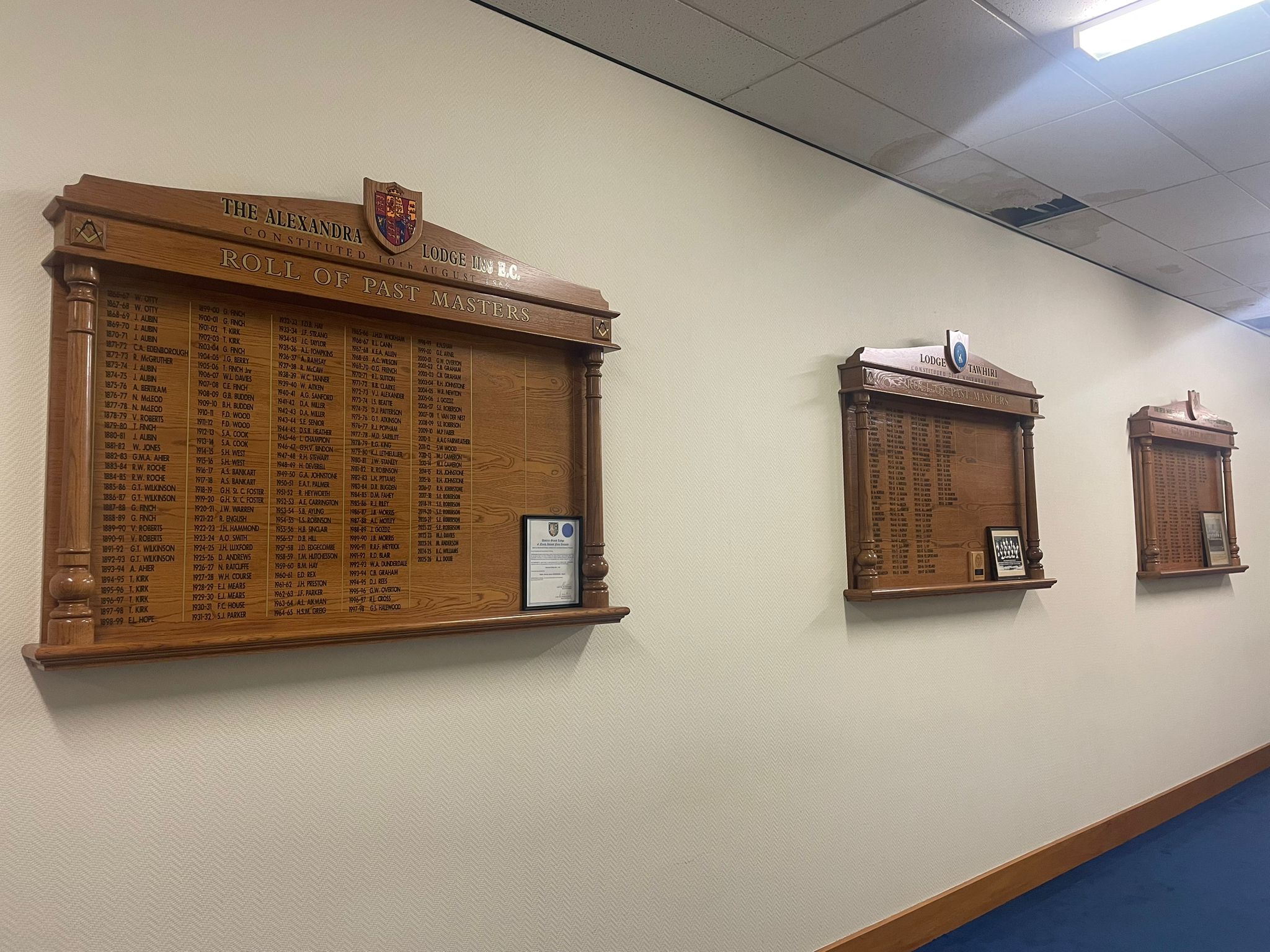
Here in Hamilton, Lodge Tawhiri has been part of the local Masonic community since 1909. The Lodge has changed across generations, as any living organisation must, but its work still depends upon men meeting face to face, learning together and taking responsibility for something beyond themselves.
For someone considering Freemasonry in Hamilton or the wider Waikato, the best next step is not to rely on rumours, films or online speculation. Read, ask questions and speak with local members. An enquiry carries no obligation. It is simply an opportunity to find out whether the reality of Lodge life is something you would value.